


Historic River in Banten Filled with Garbage, Residents Anxious and Concerned About Environmental Impacts

A historic river in Banten Province has come under the spotlight after its waters became filled with piles of garbage, creating an eyesore and sparking concern among local communities. The river, long known for its historical value and being a vital part of residents’ daily lives, has now turned into a stretch of waste carried by currents and accumulating at various points.
This situation has drawn concern from various parties, especially residents living along the riverbanks. They worry that the ongoing pollution will cause adverse impacts on the environment, public health, and the sustainability of the area’s ecosystem.
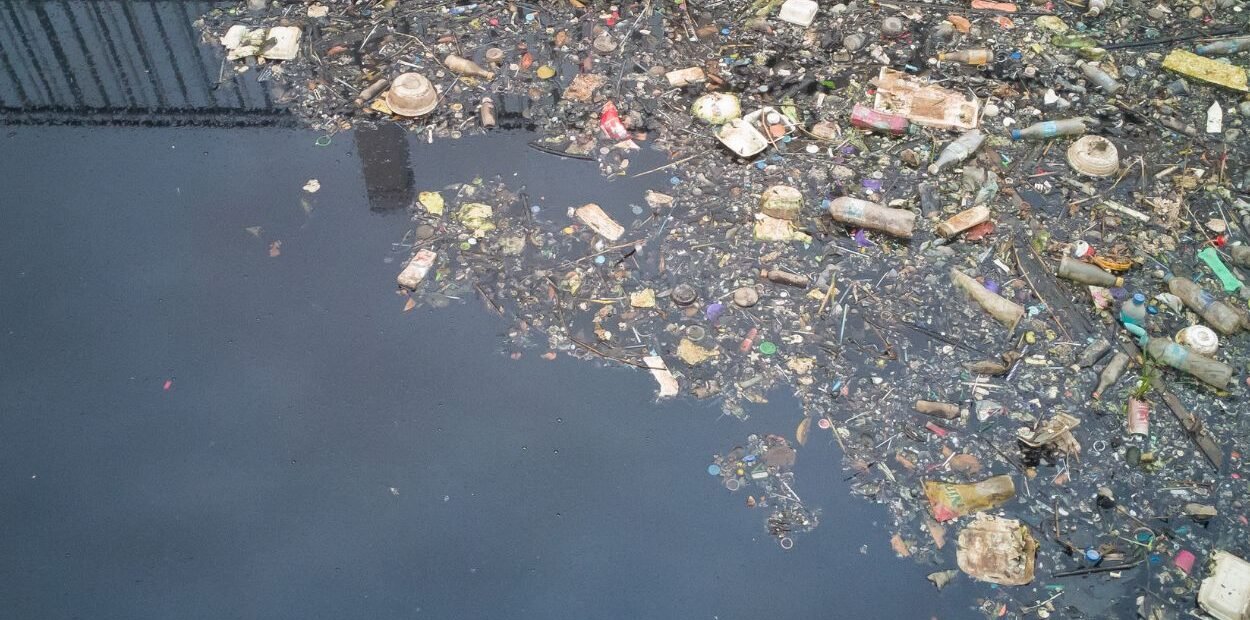
Based on observations at the site, various types of garbage can be seen floating and piling up on the river’s surface. Single-use plastics, beverage bottles, food packaging, and household waste dominate the piles carried by the current. In some sections of the river, the garbage has even formed a thick layer covering the water’s surface.
Local residents claim that this condition did not develop overnight. According to them, the volume of garbage in the river has steadily increased over the past few years, particularly during the rainy season when water currents carry waste from upstream areas into the region.
In addition to ruining the environment’s beauty, the piles of garbage generate an unpleasant odor that disrupts community activities. During the day, a pungent smell from rotting waste frequently drifts into residential areas located around the riverbanks.
The public is worried that this situation could trigger various health problems. Polluted river water has the potential to become a breeding ground for bacteria and microorganisms harmful to human health. Furthermore, the presence of garbage can attract disease-carrying animals such as rats and insects.
Another emerging concern is the potential for flooding. Piles of garbage clogging the water flow can reduce the river’s capacity to contain water volume during heavy downpours. Consequently, the risk of water overflowing into residential areas becomes significantly greater.
Environmental observers assess that the issue of garbage in rivers is caused not only by low public awareness but is also linked to an optimal waste management system that is not yet fully functional. A large amount of household waste is still disposed of irresponsibly and ultimately ends up in the river.
The river holds significant historical value for the people of Banten. Besides being a source of livelihood for residents in the past, the river area is also frequently linked to the development of civilization and trade activities in the region. Therefore, the environmental damage taking place is viewed as a loss that impacts not only the ecosystem but also the region’s historical heritage.
Several environmental communities and local residents have carried out periodic cleanup efforts. They conduct collective community work (gotong royong) to lift garbage from the river and provide public education on the importance of maintaining environmental cleanliness.
Nevertheless, residents feel that these efforts are not yet enough to resolve the issue comprehensively. They hope that the local government can take more concrete steps, ranging from improving waste management facilities to enforcing regulations against parties who dump waste into the river.
The local government is reported to have monitored the river’s condition and coordinated with various relevant agencies to find a long-term solution. Measures under consideration include river normalization, increased surveillance, and environmental education programs for the public.
Environmentalists emphasize that saving the river requires the involvement of all parties. Aside from the government, the public also plays a crucial role in maintaining environmental cleanliness by not littering and by supporting sustainable waste management programs.
If not addressed immediately, there are fears that the ongoing pollution will worsen and cause broader impacts on the environment and the lives of local communities. Therefore, various parties hope that corrective actions can be taken swiftly so that this historic river can become clean once again and fulfill its function as an essential part of Banten’s ecosystem and cultural heritage.

Shama is a Content Specialist and News Writer with 4.5+ years of experience in journalism, press release writing, SEO content, and digital publishing. She covers business, technology, blockchain, cryptocurrency, finance, and corporate communications, delivering research-driven content for media platforms and global audiences.

Written byShama Mangla
Shama is a Content Specialist and News Writer with 4.5+ years of experience in journalism, press release writing, SEO content, and digital publishing. She covers business, technology, blockchain, cryptocurrency, finance, and corporate communications, delivering research-driven content for media platforms and global audiences.
You may also like...


- 20 Most Competitive Study Programs at Unesa via 2026 SNBT, Nursing Major Is the Most Competitive

- 3 Reasons for Not Opening 2026 CPNS Formations, Closely Linked to PPPK & Honoraries
- AC Milan Prepares Major Clearance Sale, Luka Modric to Rafael Leao Placed on Transfer List

- Agriculture Minister Threatens to Revoke Licenses of Soy Import Regulations Violators

- Alleged IDR 1.6 Billion Bribe to Alter BPK Audit Results in Muara Enim Sparks Spotlight
- Avtur Surge: Expert Says Plane Ticket Prices Could Rise by 35 Percent

- BPOM Earns WHO Listed Authority Status, Pharmaceuticals Target Global Market
- Coastal Children’s Park Provides Learning Space in Fishing Communities
- Four J-League Teams Prepare for This Week’s Matches

- GDAN Post Built in Ponton, Central Kalimantan Police Chief: Drug Trafficking Operators Remain Massive, Perpetrators Are Undeterred

- Geopolitical Risk and Its Effect on the Currency Market
- Governor Sherly Officially Opens “North Moluccas Taekwondo Championship Governor’s Cup I”




- Alleged IDR 1.6 Billion Bribe to Alter BPK Audit Results in Muara Enim Sparks Spotlight
- House of Representatives and Government Review New Assistance Schemes for the Public Following Pertamax Price Hike

- Agriculture Minister Threatens to Revoke Licenses of Soy Import Regulations Violators
- Juda Agung Optimistic National Economy Can Face Global Pressures