
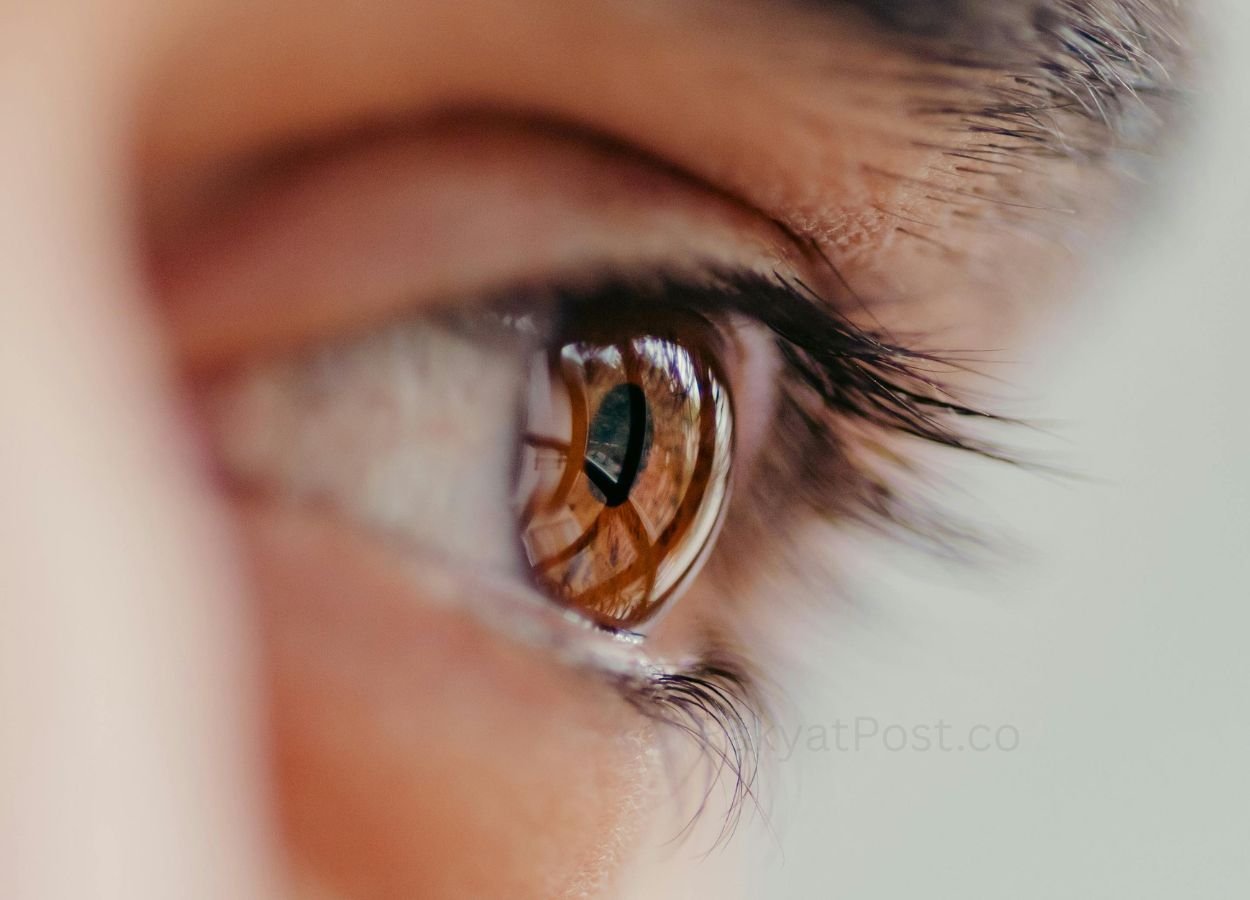
Excessive exposure to ultraviolet (UV) radiation can affect not only the skin but also cause damage to the surface of the eyes. This condition is known as photo-keratitis, often described as “sunburned eyes” caused by UV exposure.
According to Health, cited Thursday, nurse Brandi Jones, MSN-Ed, RN-BC, explained that photo-keratitis occurs when UV rays damage tissues on the surface of the eye, particularly the cornea and conjunctiva. The cornea is the clear, dome-shaped layer at the front of the eye that helps focus light.
Meanwhile, the conjunctiva is a thin membrane covering the white part of the eye as well as the inside of the eyelids. Both areas can become irritated or damaged when exposed to excessive amounts of UV radiation.
UV exposure does not only come directly from sunlight. Reflected light from concrete, sand, snow, ice, and water can also increase UV exposure to the eyes. The risk may be higher when people are at certain elevations, use UV lamps or tanning beds, or perform welding activities without adequate eye protection.
photosensitive generally affects both eyes. Symptoms may include a sensation resembling sand or a foreign object in the eye, blurred vision, halos around lights, pain or burning sensations, watery eyes, redness, swelling, headaches, and increased sensitivity to light.
Symptoms do not usually appear immediately after exposure. Discomfort may begin around six to 12 hours later and generally lasts for one to two days. In rare cases, UV exposure can cause temporary vision problems, including vision loss or changes in the ability to perceive colors.
To help relieve symptoms, people should avoid rubbing their eyes because this can worsen irritation. Closed eyes can be covered with a cool, damp cloth. Contact lens use should also be temporarily discontinued. In addition, sufferers are advised to avoid bright light and may use preservative-free artificial tears to help reduce dryness.
However, certain conditions require immediate medical attention. Professional care is necessary if severe pain occurs, the eye has suffered an injury or chemical exposure, symptoms affect only one eye, symptoms do not improve after more than 48 hours, or there is vision loss or reduced visual ability.
Prevention is an important step in reducing the risk of photo-keratitis. People are advised to wear sunglasses offering 100 percent UVA and UV protection or carrying a UV400 label. Sunglasses should also provide sufficient coverage for the eyes and the surrounding skin.
Protection can be further enhanced by wearing a wide-brimmed hat when outdoors in sunlight. For activities involving high UV exposure, such as snow sports or welding, use specialized protective eye-wear with a level of UV protection appropriate for the activity.

Fajar Santoso is a lifestyle and travel writer at RakyatPost who focuses on culture, tourism, modern living, and destination storytelling across Asia and beyond. With a passion for discovering unique experiences and local traditions, he creates engaging content that inspires readers to explore new places, lifestyles, and perspectives. His writing blends informative journalism with creative storytelling to deliver meaningful and reader-friendly travel and lifestyle coverage.