

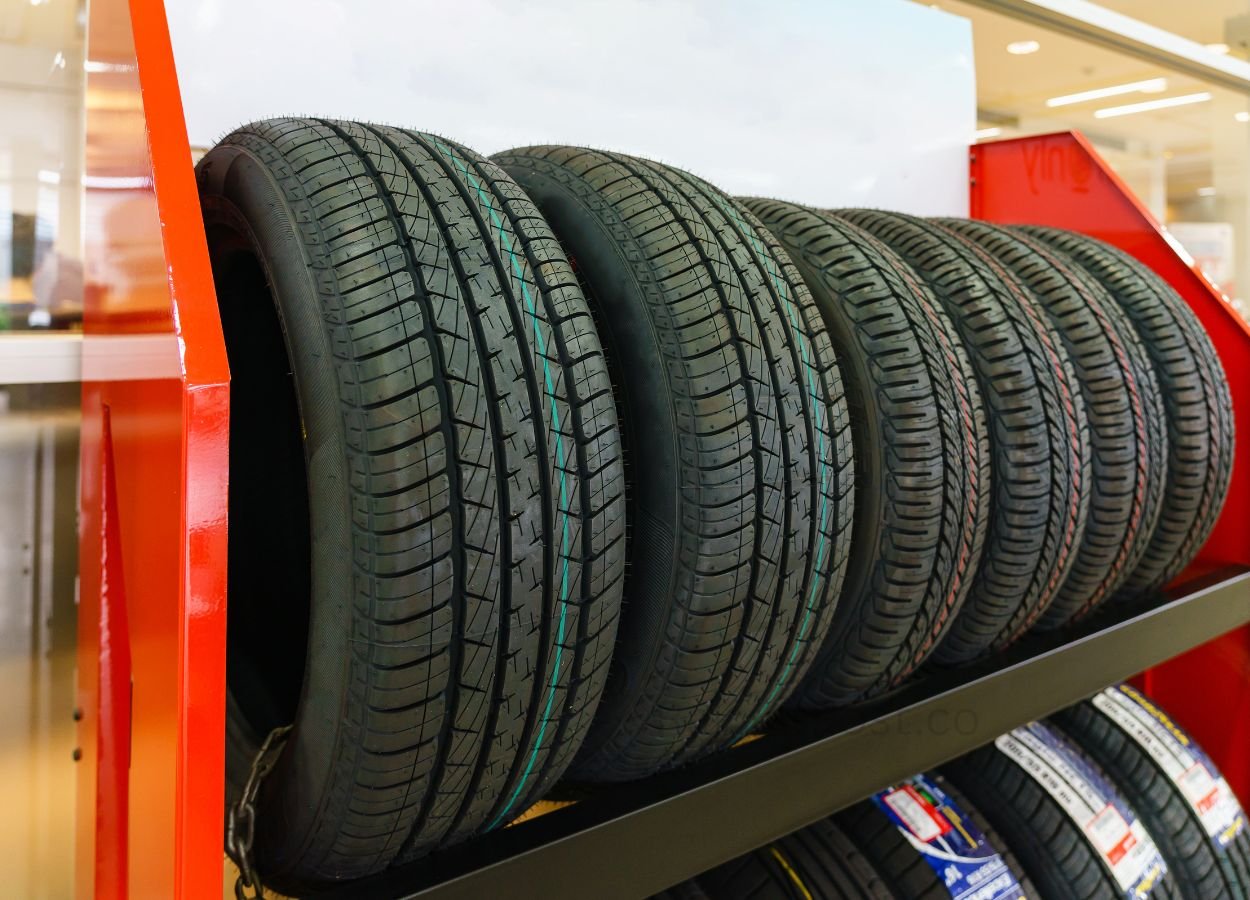
The state of California has begun implementing new regulations for replacement tires sold in the market by establishing standards for rolling resistance. The policy aims to maintain vehicle energy efficiency after factory-installed tires are replaced.
According to CarsCoops, cited Thursday (August 20) local time, the regulation was approved by the California Energy Commission (CEC) through the Replacement Tire Efficiency Program (RTEP). The program is designed to ensure that aftermarket tires do not cause vehicles to require more energy than they did when using their original factory-installed tires.
New vehicles are generally equipped with tires that have low rolling resistance. This characteristic helps vehicles maintain fuel efficiency as well as electrical energy efficiency.
However, when original tires become worn and need to be replaced, consumers have a wider range of products to choose from. Not all replacement tires have the same level of rolling resistance, meaning tires with higher resistance could potentially increase a vehicle’s energy consumption.
The CEC estimates that the regulation could deliver significant economic and environmental benefits. The policy is projected to save California consumers nearly US$1 billion in fuel costs each year.
In addition to energy savings, the CEC estimates that implementing the standards could help reduce carbon emissions by approximately 2 million metric tons annually. Tire efficiency is therefore being positioned as part of California’s broader efforts to reduce energy consumption in the transportation sector.
The regulation will not immediately require full compliance with the final standards. The initial phase is scheduled to take effect in 2029, with requirements becoming stricter in 2033.
However, not all tire categories will be covered by the regulation. Certain specialized products will be exempt, including high-performance competition tires, off-road tires, and winter tires.
California’s new rules have also drawn attention from the automotive and tire industries. Some industry participants are concerned that the efficiency requirements could increase product prices while reducing the range of tires available to consumers.
Another concern involves the potential entry of low-cost imported tires that do not meet the standards established for certain vehicles. Such a situation could create challenges for market competition as well as regulatory oversight of products being sold.
The CEC believes that any potential increase in tire purchase costs could be offset by energy savings throughout the product’s lifespan. With lower fuel or electricity consumption, consumers could potentially benefit financially over the long term.
Several major tire manufacturers, including Michelin and Bridgestone, have reportedly supported the policy. Industry backing is considered an important factor in implementing the new standards across California’s automotive market.
For the tire industry, the policy could also become a model for other parts of the United States. If other states introduce similar requirements, rolling-resistance efficiency could evolve from being simply a product advantage into a mandatory standard for the replacement tire market.

Shama is a Content Specialist and News Writer with 4.5+ years of experience in journalism, press release writing, SEO content, and digital publishing. She covers business, technology, blockchain, cryptocurrency, finance, and corporate communications, delivering research-driven content for media platforms and global audiences.