
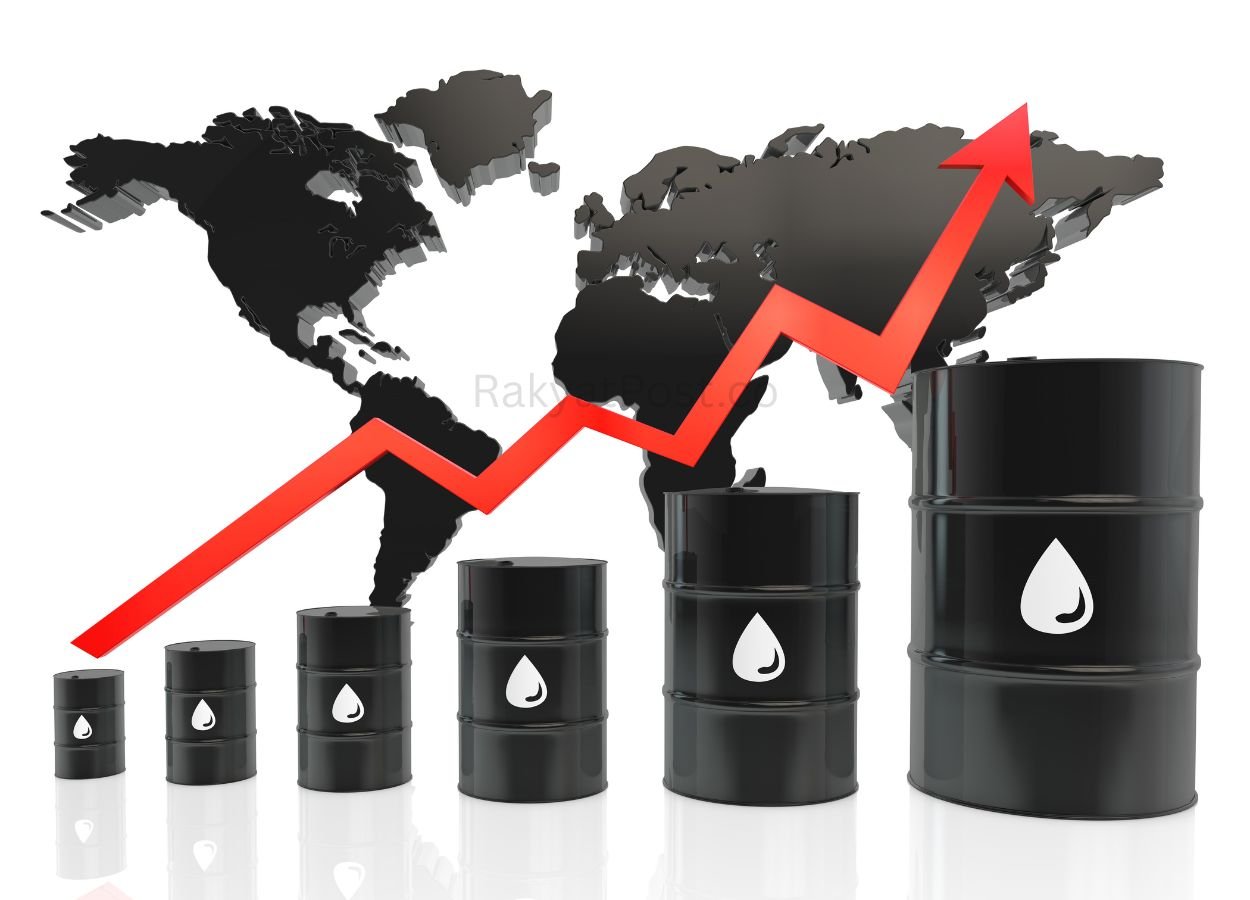
The price hike of Pertamax, a non-subsidized fuel (BBM), has begun to draw attention from various parties, including the House of Representatives (DPR) and the government. In a number of recent discussions, both parties are reportedly reviewing the possibility of providing specific incentives or assistance to mitigate the economic impact that the public might feel due to this energy price adjustment.
Although Pertamax is a non-subsidized fuel generally consumed by specific public segments, policymakers assess that the fuel price hike still has the potential to create a domino effect on economic activities. Changes in transportation costs, goods distribution, and household expenditures are among several aspects being focused on in the discussions.
DPR members assess that the government needs to take anticipatory steps to ensure public purchasing power is maintained. According to them, energy price hikes frequently trigger concerns among the public as they can affect the overall cost of living. Consequently, various policy options are being discussed to ensure economic stability remains preserved.
One scheme under discussion is the provision of incentives to specific public groups deemed vulnerable to economic pressures. In addition, the government is also said to be considering various other measures that can help maintain household consumption as one of the primary drivers of national economic growth.
Economic observers explain that a fuel price hike has a different impact compared to other commodities. Energy is a vital component in various economic activities, so price changes often create a chain effect on other sectors. Even though Pertamax is not a subsidized fuel, price changes can still influence the consumption behavior of the public and the business world.
On the other hand, the government must consider the state’s fiscal condition in determining the form of assistance to be provided. Every incentive policy requires adequate budgetary backing to run effectively and sustainably. Therefore, the discussion process is being conducted carefully, involving various relevant ministries and agencies.
In addition to discussing direct assistance, the DPR is also urging the government to strengthen existing social protection programs. These programs are deemed important instruments for maintaining public welfare when changes in economic conditions impact household expenditures.
Not only that, a number of legislators have also requested the government to ensure that fuel distribution runs smoothly and does not cause disruptions on the ground. Energy supply stability is considered vital for maintaining public confidence while avoiding panic that could worsen the situation.
Business players are also closely following these policy developments. Many business sectors rely heavily on transportation and logistics costs, meaning any change in energy prices must be anticipated so as not to disrupt production activities or the distribution of goods and services.
Meanwhile, the government emphasized that discussions are still ongoing and no final decision has been made regarding the form of incentives to be provided. All options will be reviewed based on public needs and the state’s budgetary capacity.
Economists assess that good communication between the government and the public is a key factor in situations like this. Transparency regarding the reasons behind the fuel price hike and the prepared mitigation steps can help maintain social and economic stability.
With various considerations in place, the DPR and the government are expected to generate a balanced policy between public protection and the state’s fiscal sustainability. The right decision is deemed crucial to help maintain purchasing power while supporting national economic growth amidst global energy price dynamics.

Fajar Santoso is a lifestyle and travel writer at RakyatPost who focuses on culture, tourism, modern living, and destination storytelling across Asia and beyond. With a passion for discovering unique experiences and local traditions, he creates engaging content that inspires readers to explore new places, lifestyles, and perspectives. His writing blends informative journalism with creative storytelling to deliver meaningful and reader-friendly travel and lifestyle coverage.