

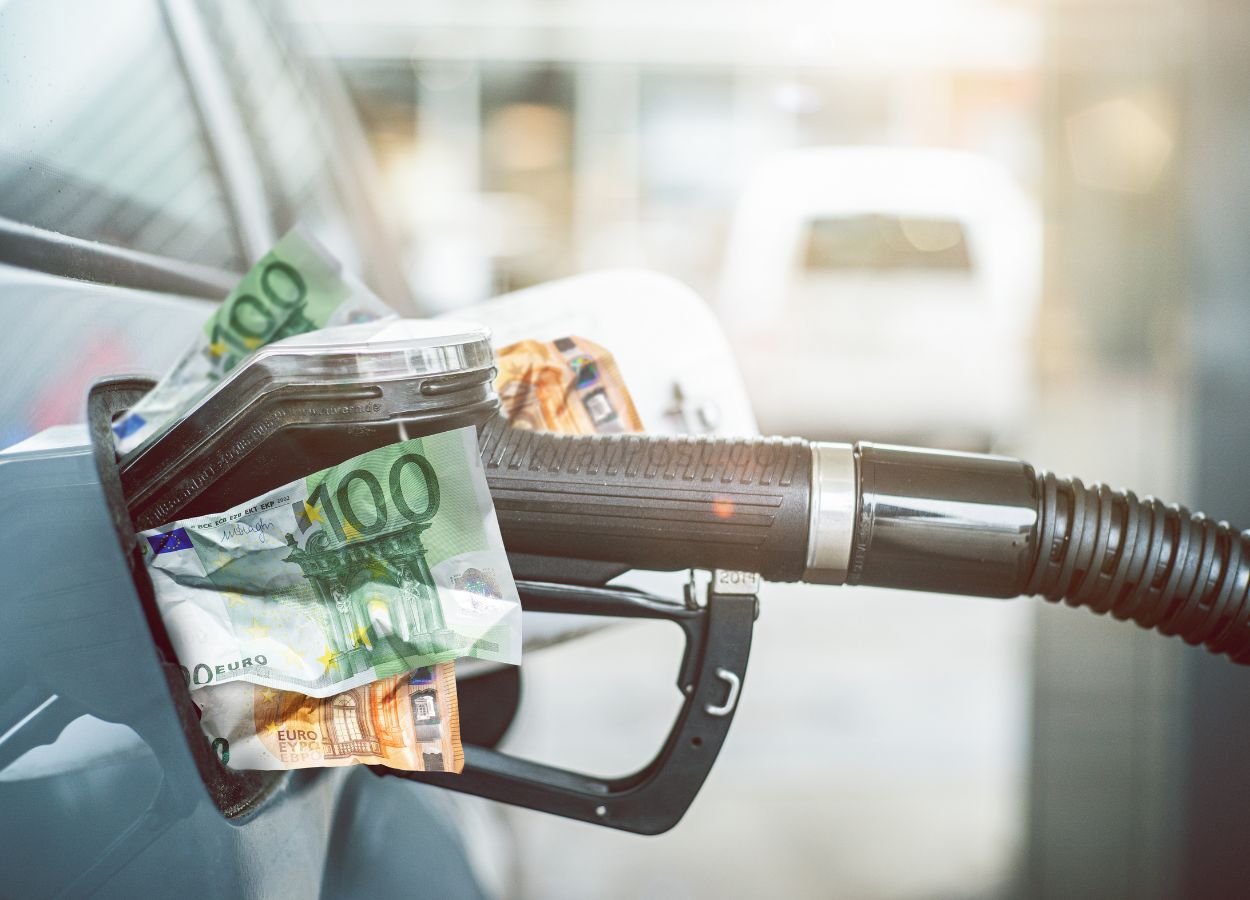
Fuel (BBM) prices in several Southeast Asian countries have experienced a decrease entering July 2026, following the weakening of global crude oil prices. This adjustment has lowered the cost of purchasing gasoline across various countries compared to the previous month, though the margin of correction varies in each market.
The price changes occurred after global oil trends leveled off, prompting energy companies and governments in a number of countries to evaluate retail tariffs. In Indonesia, the reduction applies primarily to certain non-subsidized fuel products, while the price of Pertamax remains unchanged. This step keeps Indonesia in the group of countries with relatively cheap fuel prices in the ASEAN region.
Price adjustments are also taking place in neighboring countries such as Malaysia, Thailand, Singapore, Vietnam, the Philippines, and Cambodia. Each country implements a different pricing mechanism, ranging from tracking international market movements to utilizing government subsidy policies.
Indonesia still maintains its price competitiveness compared to most ASEAN nations. Energy policy support and domestic price management are key factors preventing the public from bearing a price hike as high as those experienced in several other countries over the past few months. Nevertheless, national fuel prices remain influenced by the dynamics of global oil prices and the rupiah’s exchange rate against the US dollar.
On the other hand, the government continues to monitor international energy market developments before determining the pricing policy for the next period. Crude oil fluctuations, global geopolitical conditions, and exchange rate movements serve as the primary indicators for determining the scale of domestic fuel price adjustments.
For the public, the drop in regional fuel prices brings hope for reduced transportation and goods distribution costs. The expected knock-on effect is more controlled inflationary pressure, allowing the prices of various basic commodities to remain stable.
Moving forward, global energy price developments will remain a crucial factor to watch. If world oil prices continue to weaken, opportunities for further fuel price adjustments in the subsequent period remain open. Conversely, if supply disruptions occur or international geopolitical tensions rise, fuel prices could potentially change again in line with market conditions. Consequently, the public and business players still need to pay close attention to energy policy updates announced by the government during each evaluation period.